Featured Condominium Listings

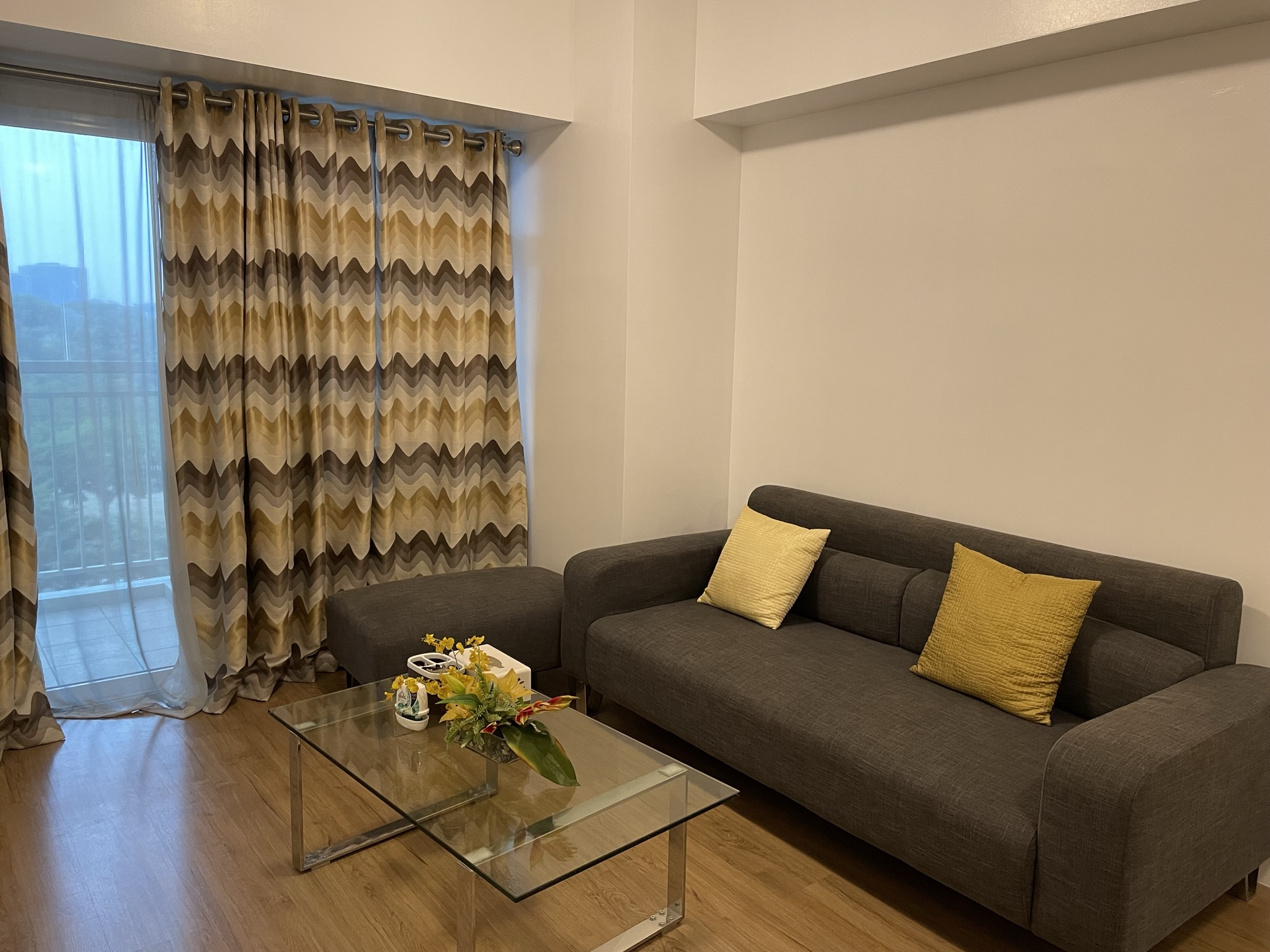
📍KNIGHTSBRIDGE CENTURY CITY MAKATI

➡️ 2BR with balcony

➡️ 59sqm

➡️ 37th floor

➡️ with 1 assigned parking

➡️ 2 T&B

➡️ Bare, newly-repainted

🏷 P12,000,000

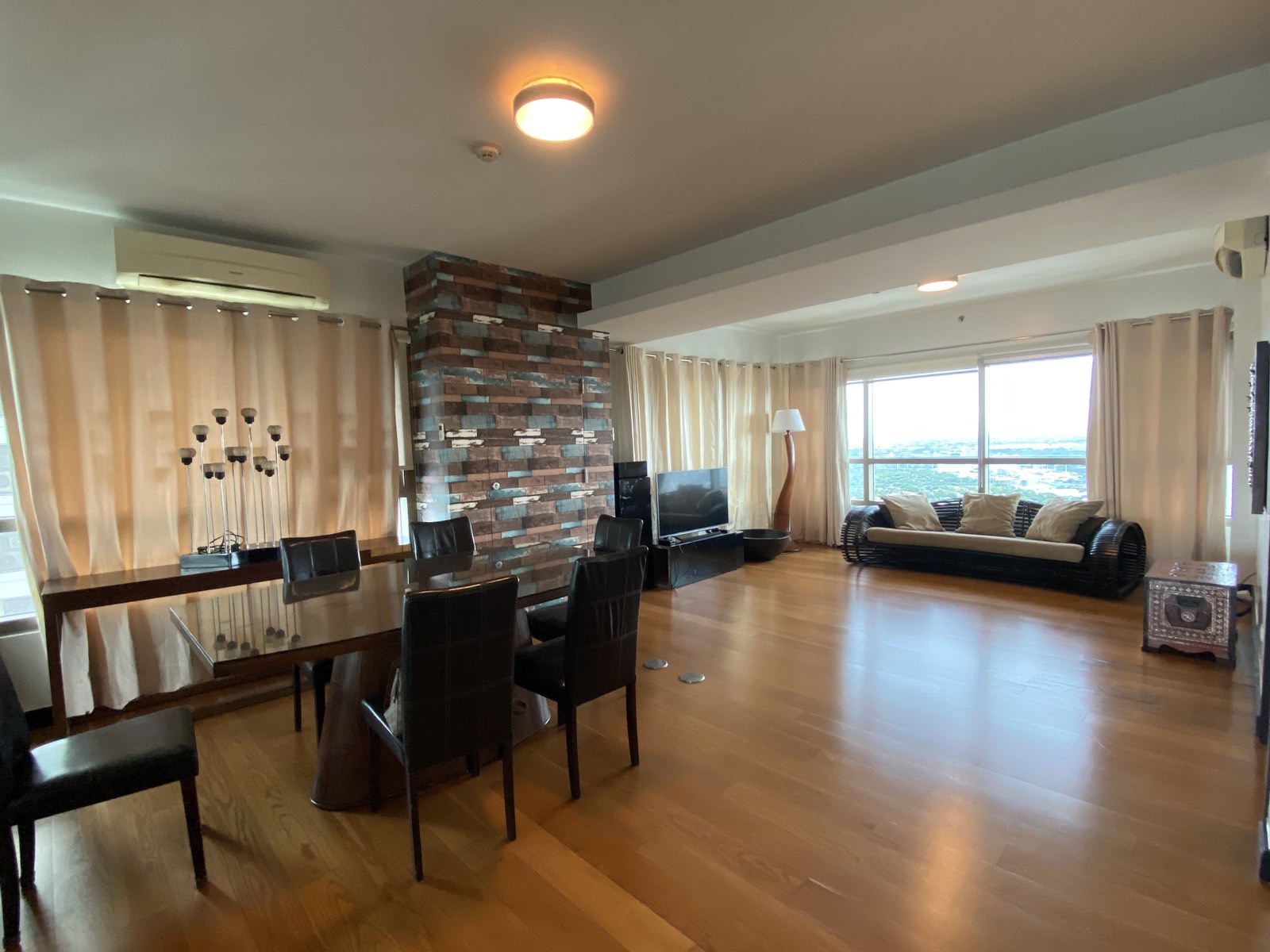
📍THE RESIDENCES AT GREENBELT

➡️ Special 2BR with balcony at MANILA TOWER

➡️ 127sqm

➡️ 42nd floor

➡️ 2 ensuite T&B plus powder room

➡️ Maid’s/utility with T&B

➡️ 2 parking

➡️ Furnished

🏷 P35,000,000

📍SHANG SALCEDO PLACE MAKATI

➡️ Studio unit

➡️ 35.43sqm

➡️ 19th floor

➡️ Unfurnsihed

🏷 P8,500,000

📍MERANTI TWO SERENDRA

➡️ 1BR corner unit with balcony

➡️ 57sqm

➡️ 8th floor

➡️ 1BR, 1T&B

➡️ Furnished

🏷 P15,000,000

📍SAPPHIRE RESIDENCES BGC

➡️ 3BR corner unit

➡️ 130sqm

➡️ 7th floor

➡️ 3 BR, 3 T&B

➡️ With 2 parking slots

➡️ Unfurnished

🏷 P29,000,000

📍FLORENCE TOWER 2 MCKINLEY HILL

➡️ Brand new 3BR with 2 balconies

➡️ 95sqm

➡️ 10th floor

➡️ 3 BR, 3 T&B

➡️ Fully-furnished

🏷 P34,000,000

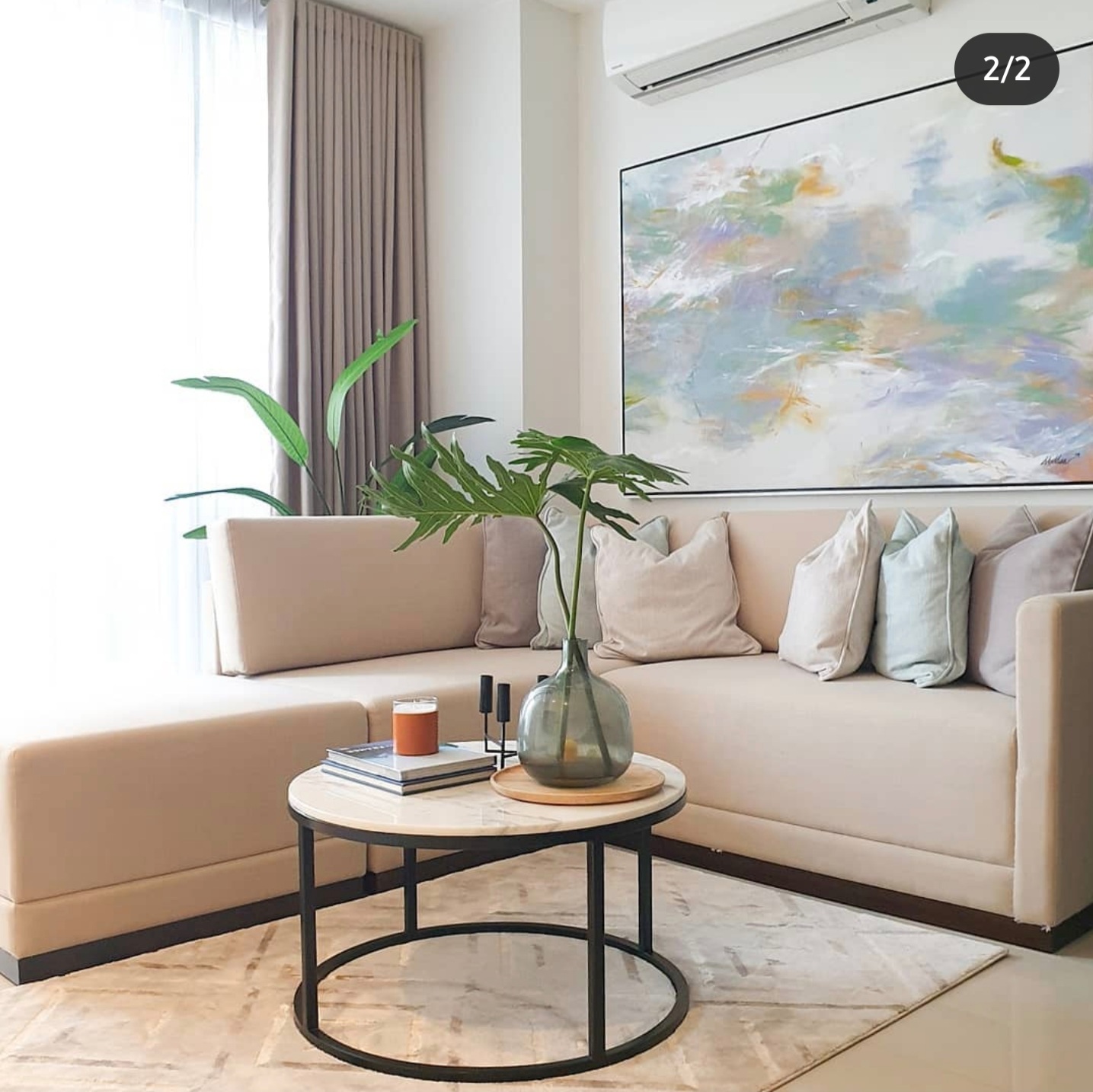
📍ALLESANDRO TOWER – VENICE LUXURY RESIDENCES MCKINLEY HILL

➡️ 2BR with 2 balconies

➡️ 80sqm

➡️ 20th floor

➡️ 2 BR, 2 T&B

➡️ Pet-friendly

➡️ Interior-designed, fully-furnished

➡️ With AC and centralized water heater

🏷 P18,800,000

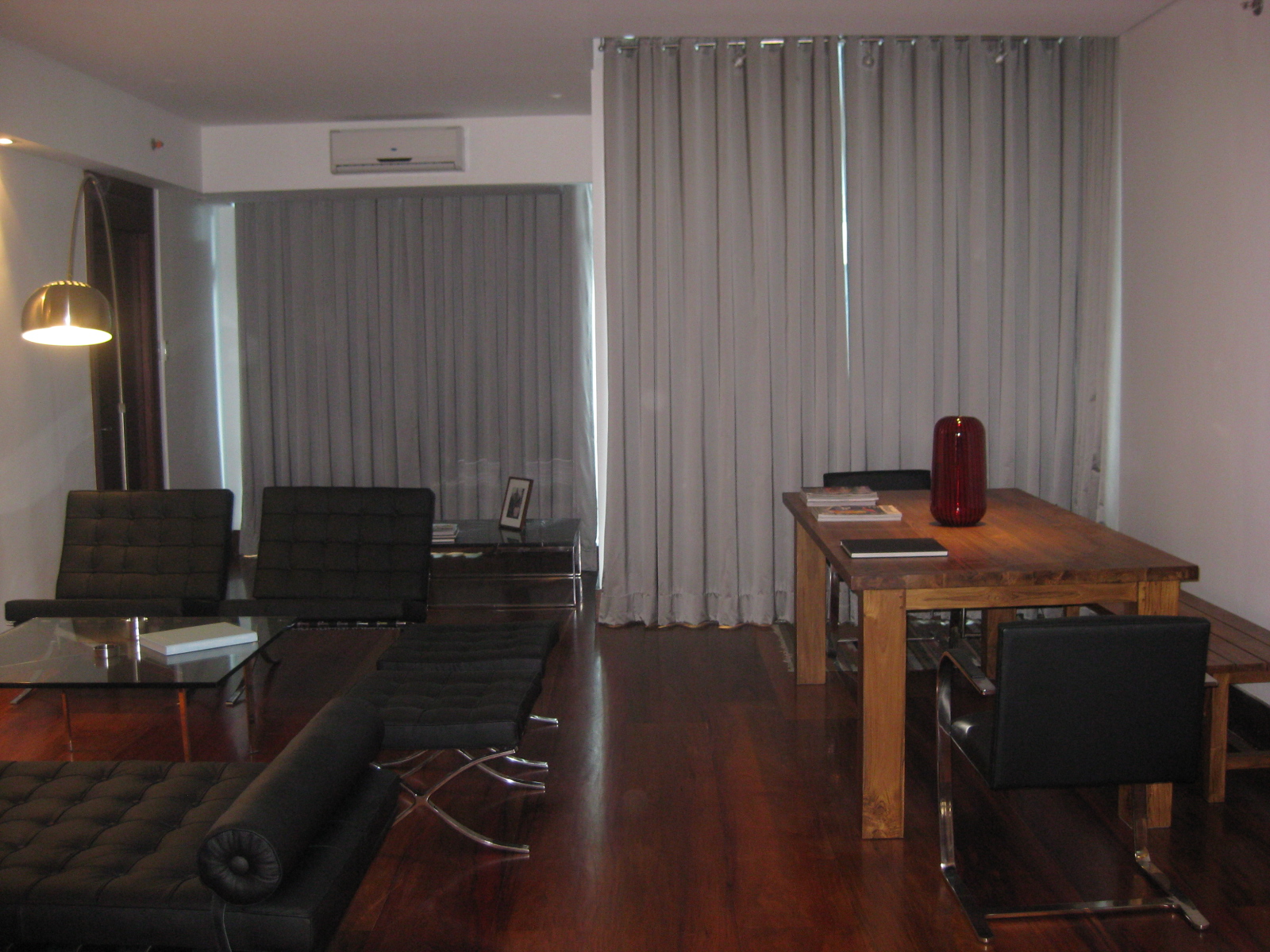
📍ARBOR LANES ARCA SOUTH

➡️ 2BR duo Suite

➡️ 142sqm

➡️ 6th floor

➡️ 2BR plus stand-alone studio

➡️ 3 T&B

➡️ 2 parking (tandem)

➡️ Interior-designed, fully-furnished

🏷️ P37,000,000

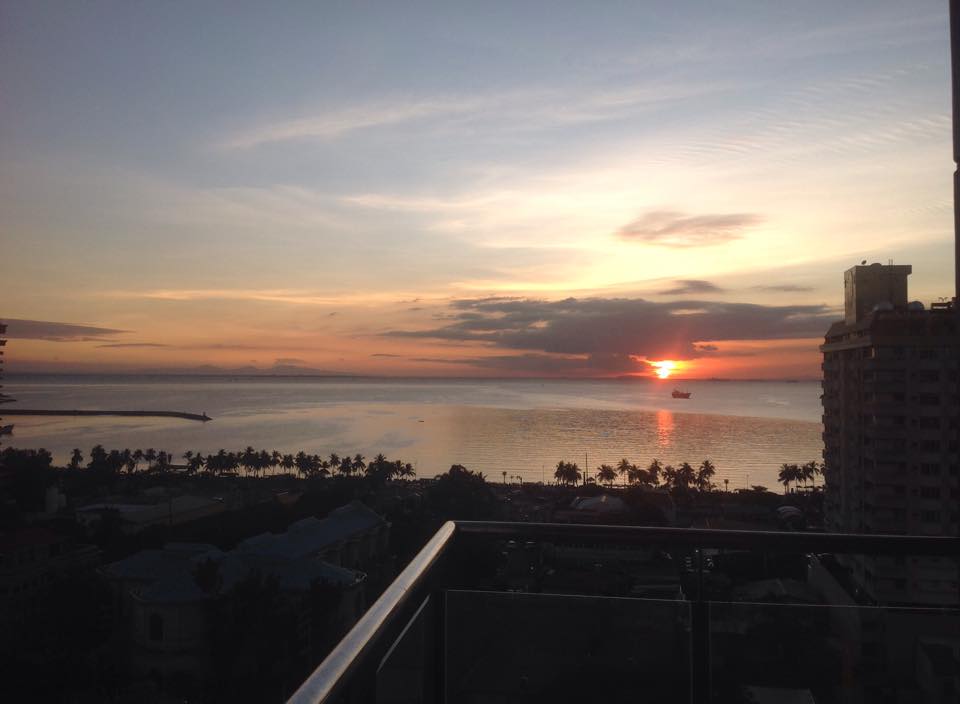
📍MALATE BAYVIEW MANSIONS

➡️ 2BR corner unit viewing

➡️ Manila Bay

➡️ 80sqm

➡️ 12th floor

➡️ 2 BR, 2 T&B, maid’s

➡️ With 1 parking

➡️ Furnished

🏷 P12,500,000

Note: Information presented may be subject to change without notice. Ocular is only by appointment.

Authorized broker:
Manley Salazar, REB, REA
Licensed Real Estate Broker #0002710

Call or message me at the numbers below.
Mobile:         +63928-5100445
Viber:           +63928-5100445
Whatsapp:   +6917-8502535
Or fill up this form to send a message:

← Back

Thank you for your response. ✨

Warning
Warning
Warning
Warning.

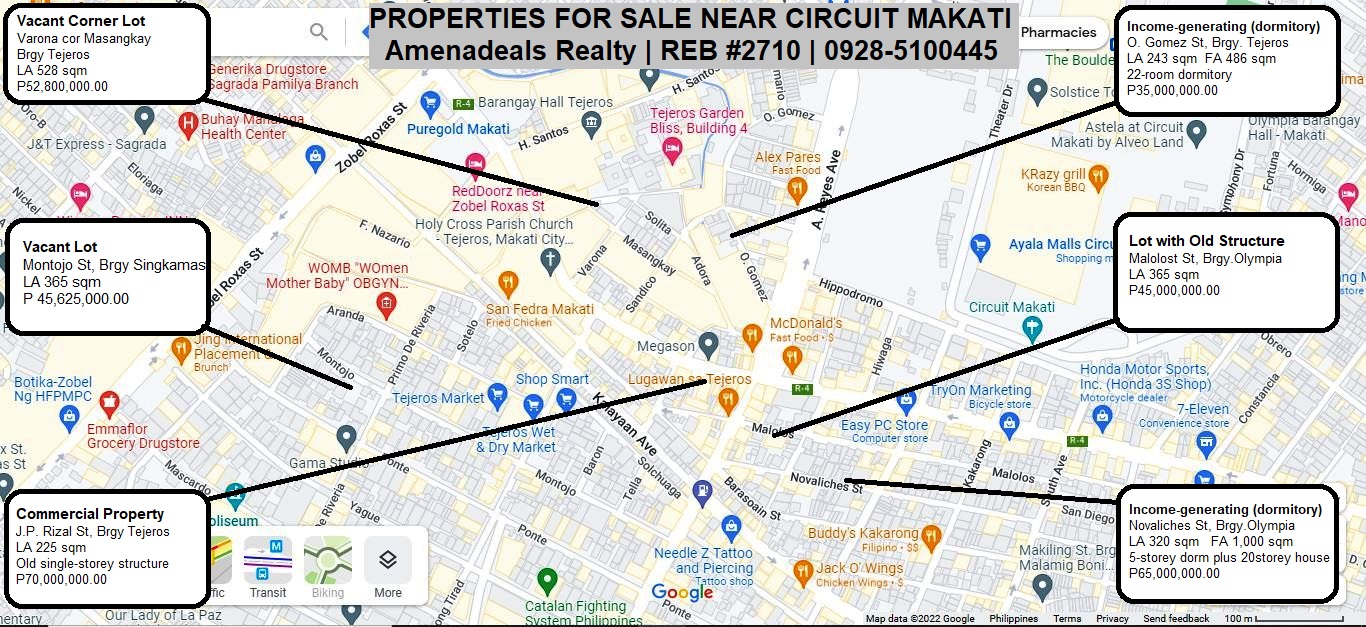
Properties for sale in the vicinity of CIRCUIT MAKATI

Properties for sale within the vicinity of Circuit Makati
Vacant lots, commercial properties, dormitories for sale in Makati

Check out these awesome opportunities to invest on a property that is within a short distance from CIRCUIT MAKATI, an up and coming business and commercial center being developed by Ayala Land.


VACANT LOTS


✅ MONTOJO ST, BRGY. SINGKAMAS, MAKATI
➡️ Lot area: 365 sqm
➡️ Clean title
🏷 Selling price : P45,625,000 (125,000 per sqm)

✅ VARONA COR MASANGKAY ST, BRGY TEJEROS, MAKATI
➡️ Lot area: 528 sqm
➡️ Double-corner (with 3 road-fronting sides)
➡️ Clean title
📌 Near JP Rizal, walking distance to Circuit Makati
🏷 Selling price : P52,800,000 (100,000 per sqm)

✅ MALOLOS ST, BRGY. OLYMPIA, MAKATI
➡️ Lot area: 365 sqm
📌 Near JP Rizal and Chino Roces, walking distance to Circuit Makati
🏷 Selling price : P45,000,000 (123,288 per sqm)

COMMERCIAL LOT WITH STRUCTURE

✅ Lot with commercial structure along JP RIZAL, BRGY TEJEROS, MAKATI
➡️ Lot area: 225 sqm
➡️ Along jeepney route
➡️ With mortgage
📌 Near the corner of JP RIZAL and Chino Roces
🏷 Selling Price: P70,000,000

INCOME-GENERATING PROPERTIES

✅ Operational 22-room Boarding House/Apartment at GOMEZ ST, BRGY. TEJEROS, MAKATI
➡️ Lot area: 243 sqm
➡️ Floor area: 486 sqm
➡️ Clean title
📌 Near Circuit Makati
🏷 Selling price: P35,000,000

✅ Operational Dormitory at NOVALICHES ST, BRGY. OLYMPIA, MAKATI
➡️ Lot area: 320 sqm
➡️ Floor area: 1,000 sqm
➡️ Clean title
📌 Near Circuit Makati
🏷 Selling price: P65,000,000

Note:

  1. Prices are negotiable
  2. Subject to change without prior notice

Authorized broker:
Manley Salazar, REB, REA
Licensed Real Estate Broker #0002710

Call or message me at the numbers below.
Mobile:         +63928-5100445
Viber:           +63928-5100445
Whatsapp:   +6917-8502535

Or fill up this form to send a message:

← Back

Thank you for your response. ✨

Warning
Warning
Warning
Warning.

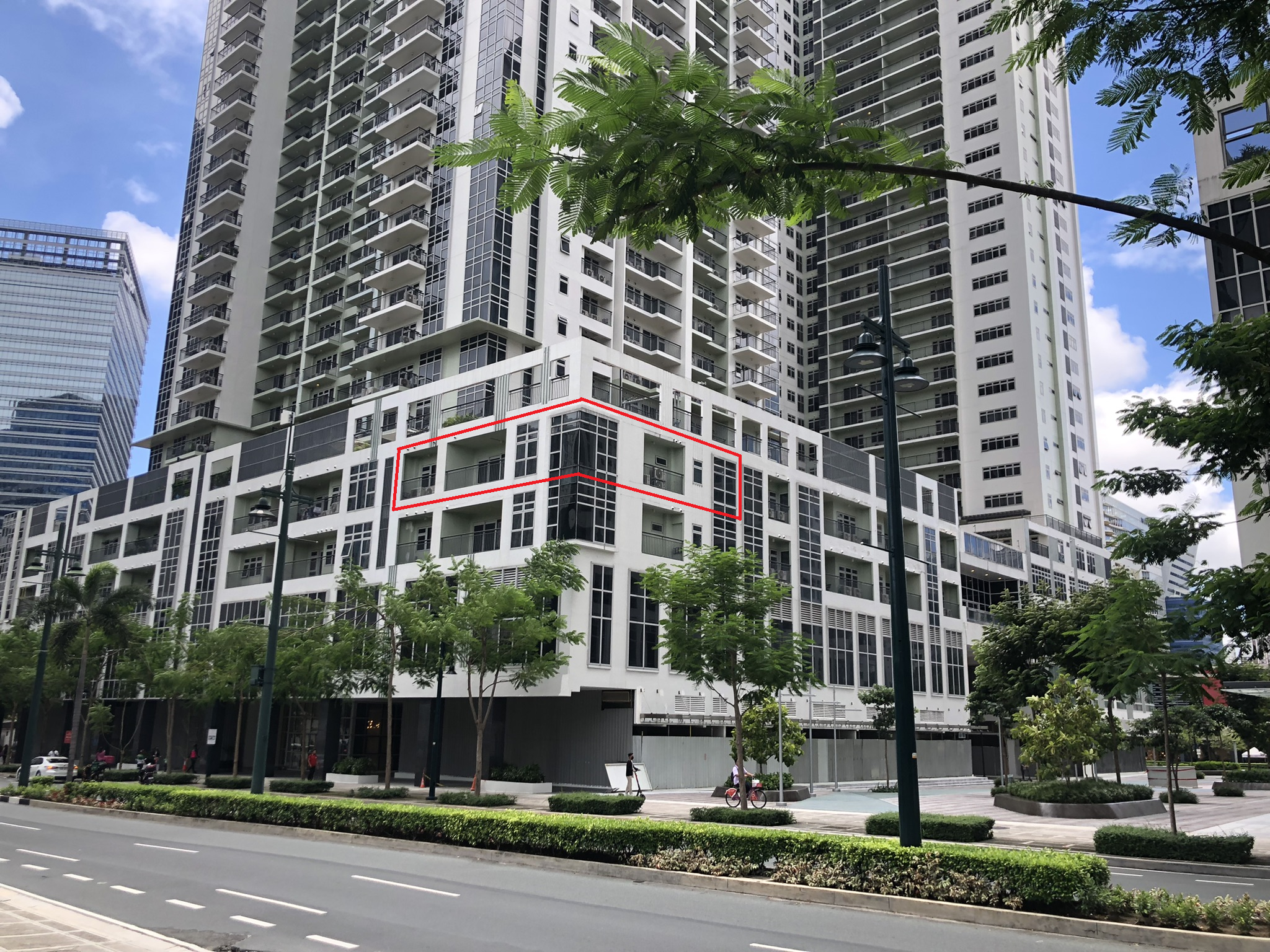
Spacious 3BR Corner Unit for sale at VERVE RESIDENCES BGC – SOLD!

Facade - full 3

📍 This is one of the very few corner units that is classified by the developer, Alveo Land, as an URBAN VILLA. This is way more larger than the average 3-BR and is close to the amenity area (1 level lower).
📍 Located at 5th floor
📍 With good view of a guaranteed open-space, the Sunlife Amphitheater, and the Maybank Performing Arts Theater.
📍 Good as new. Vacant and ready for ocular.
Verve 507-facade
Floor area: 184 sqm
✅ 3 bedrooms all with ensuite T&B
✅ Has secondary access via the utility area
✅ Maid’s room/utility area with own T&B
✅ With powder room
✅ With 1 parking slot

Views

Interior

🏷 Selling Price: P49,000,000.00 — SOLD!!!
 
Notes:
– unit is vacant
– ocular is strictly by appointment
 
Authorized broker:
Manley Salazar, REB, REA
Licensed Real Estate Broker #0002710
Call or message me at the numbers below.
Mobile:         +63928-5100445
Viber:           +63928-5100445
Whatsapp:   +6917-8502535
Or fill up this form to send a message:

← Back

Thank you for your response. ✨

Warning
Warning
Warning
Warning.

Continue reading “Spacious 3BR Corner Unit for sale at VERVE RESIDENCES BGC – SOLD!”

Who Can Acquire Real Estate in The Philippines?

20190503_103233By Manley Salazar, REB, REA

This is a basic question that realty service practitioners, like me, needs to be able to answer right off the bat. This is a standard information to test whether the prospective investor has the legal capacity to acquire the subject property that he or she has in mind.

As a general rule, only Filipino citizens and corporations with capitalization of at least sixty percent (60%) owned by Filipinos are allowed to acquire and own land in the Philippines.

But just like most rules, there are exemptions. Let us take a look at these four scenarios wherein a non-Filipino may be able to acquire real estate here in the Philippines:

1) Acquisition before the 1935 Constitution
Let us have a short review of history. The Philippines was passed to Spain by virtue of what they claim as “discovery and conquest”. The Spaniards introduced a Western legal concept of ownership called the “Regalian Doctrine” which simply means that all lands belong to the state.   Thus, all lands became the exclusive patrimony and dominion of the Spanish Crown. Suffice it to say, foreign ownership of land was allowed at that time. The Spanish government took charge of distributing the lands by issuing royal grants and concessions to Spaniards, both military and civilian. Private land titles could only be acquired from the government either by purchase or by various modes of land grant from the Crown.

Then came the “Treaty of Paris” on December 10, 1898 when Spain ceded to the government of the United States of America all rights, interests and claims over the national territory of the Philippine Islands for USD 20,000,000. Subsequently, the Americans introduced various Public Land Acts under the Jones Law.

  • Act 926 or First Public Land Act which set regulations for the homesteading, selling, and leasing of portions of the public domain as well as issuance of patents to certain native settlers upon public lands.
  • Act 2874 or 2nd Public Land Act of 1919 provided that exploitation is limited to agricultural lands and available to all Filipinos, Americans and citizens of other countries.
  • Act 496 or Land Registration Law of 1903 placed all public and private lands in the Philippines under the Torrens System of Registration that we are using until today. The Torrens title is deemed as the best evidence of ownership.

Another milestone was the enactment of The 1935 Constitution. This provided the legal basis of the Commonwealth Government, a transition deemed necessary before granting of the Philippines’ independence. Significantly, this reserved the ownership of lands only to Filipino citizens.  Foreigners cannot acquire land anymore unless through a corporation where minimum ownership of Filipinos is 60%.  However, foreigners who already own lands by virtue of previous land laws were not compelled to give up their ownership. That is why we have this exemption number 1.

2) Acquisition by a legal heir through hereditary succession or inheritance
There are cases when a Filipino citizen who owns properties in the Philippines has a child or children who are citizens of other countries. In the event that they pass on, their children, even if they are non-Filipinos, are legal heirs to the properties that they will leave behind. The basis for this is Article XII (National Economy and Patrimony) Section 7 of the 1987 Constitution, which states:

“Section 7. Save in cases of hereditary succession, no private lands shall be transferred or conveyed except to individuals, corporations, or associations qualified to acquire or hold lands of the public domain.”

3) Purchase of not more than forty percent (40%) interest in a condominium project
Let us take a look at Republic Act No. 4726, otherwise known as “The Condominium Act” which governs the development of condominium projects in the Philippines.

“Section 2. A condominium is an interest in real property consisting of separate interest in a unit in a residential, industrial or commercial building and an undivided interest in common, directly or indirectly, in the land on which it is located and in other common areas of the building. A condominium may include, in addition, a separate interest in other portions of such real property. Title to the common areas, including the land, or the appurtenant interests in such areas, may be held by a corporation specially formed for the purpose (hereinafter known as the “condominium corporation”) in which the holders of separate interest shall automatically be members or shareholders, to the exclusion of others, in proportion to the appurtenant interest of their respective units in the common areas.”

From the said section, we can see that whenever someone buys a condominium unit, he will have two types of ownership:

  • First is the separate interest or absolute ownership of the specific unit he buys which will be evidenced by a Condominium Certificate of Title (CCT) under his name.
  • Then he automatically obtains undivided interest or co-ownership of the common areas including the land whose Transfer Certificate of Title (TCT) will be placed under the name of the Condominium Corporation that needs to follow the 60-40 ownership ratio. 60% minimum Filipino ownership, 40% maximum foreign ownership. This is why foreign ownership of up to 40% of the units is possible.

4) Purchase by former natural-born Filipino citizens
For those who have opted to change their citizenship, they may still purchase land in the Philippines subject to the following limitations:

a) Maximum area that may be acquired for residential purpose prescribed by Batas Pambansa 185

    • 1,000 square meters of urban land or
    • 1 hectare of rural land

b) Maximum area that may be acquired for business purpose prescribed by Republic Act No. 8179

    • 5,000 square meters of urban land or
    • 3 hectares or rural land

“Business purpose” refers to the use of land primarily, directly, and actually in the conduct of business or commercial activities in the broad areas of agriculture, industry and services, including the lease of land but excluding the buying and selling thereof.

Please take note that once a former natural-born Filipino decides to re-acquire Philippine citizenship through Republic Act No. 9225 or the Citizenship Retention and Reacquisition Act of 2003, the limitations stated above will not apply anymore. The entitlements bestowed upon a natural-born Filipino when it comes to property ownership will be restored.

That is it. I hope I was able to provide valuable information though this article. For further questions, kindly fill-up this form:

← Back

Thank you for your response. ✨

Warning
Warning
Warning
Warning

Warning.


References

Act 926 – First Public Land Act
Act 2874 – 2nd Public Land Act of 1919
Act 496 – Land Registration Law of 1903
1935 Constitution
1987 Constitution
R.A. 4726 – Condominium Act
B.P. 185 – An Act to Implement Section Fifteen of Article XIV of the Constitution and for Other Purposes
R.A. 8179 – An act to further liberalize foreign investments, amending for the purpose Republic Act No. 7042, and for other purposes
R.A. 9225 – Citizenship Retention and Reacquisition Act of 2003


The Real Estate Service Profession

By Manley Salazar, REB, REA

Real estate service in the Philippines is a regulated profession. Whether in selling, buying, leasing, valuation, and consultancy requirements, the public is reminded to deal only with registered practitioners. It just makes sense to always deal with someone who is fully compliant with the law, somebody who has something at stake. Real estate is a big ticket deal that must be served by competent, legitimate practitioners.

The law that governs the practice is none other than Republic Act No. 9646 or the Real Estate Service Act of 2009, otherwise known as R.A. 9646 or RESA, signed into law on June 29, 2009. Prior to this law, real estate practice is under the jurisdiction of the Department of Trade and Industry (DTI). R.A. 9646 transferred that responsibility to the Professional Regulation Commission (PRC). The succeeding paragraphs provide the basic points of this Act, explained in the simplest way I can.

Real Estate Service Act of 2009 (R.A. 9646)

“AN ACT REGULATING THE PRACTICE OF REAL ESTATE SERVICE IN THE PHILIPPINES, CREATING FOR THE PURPOSE A PROFESSIONAL REGULATORY BOARD OF REAL ESTATE SERVICE, APPROPRIATING FUNDS THEREFOR AND FOR OTHER PURPOSES .”

Why was it created?

It was crafted because of the state’s recognition of the vital role of real estate service practitioners in nation building. Promoting the real estate market will, of course, enhance government income. That is why there is a need for effective regulation and supervision to make our local real estate market more competitive globally.

What professions are covered by this law? What are the acts allowed for each profession?

Real estate broker – a duly registered and licensed natural person who, for a professional fee, commission or other valuable consideration, acts as an agent of a party in a real estate transaction to offer, advertise, solicit, list, promote, mediate, negotiate or effect the meeting of the minds on the sale, purchase, exchange, mortgage, lease or joint venture, or other similar transactions on real estate or any interest therein.

Real estate salesperson – a duly accredited natural person who performs service for, and in behalf of a real estate broker who is registered and licensed by the Professional Regulatory Board of Real Estate Service for or in expectation of a share in the commission, professional fee, compensation or other valuable consideration.

Real estate consultant – a duly registered and licensed natural person who, for a professional fee, compensation or other valuable consideration, offers or renders professional advice and judgment on: (i) the acquisition, enhancement, preservation, utilization or disposition of lands or improvements thereon; and (ii) the conception, planning, management and development of real estate projects.

Real estate appraiser – a duly registered and licensed natural person who, for a professional fee, compensation or other valuable consideration, performs or renders, or offers to perform services in estimating and arriving at an opinion of or acts as an expert on real estate values, such services of which shall be finally rendered by the preparation of the report in acceptable written form.

Real estate assessor – a duly registered and licensed natural person who works in a local government unit and performs appraisal and assessment of real properties, including plants, equipment, and machineries, essentially for taxation purposes. A holder of real estate appraiser’s license.

What agency regulates the practice of real estate?

R.A. 9646 created the Professional Regulatory Board of Real Estate Service (PRBRES) which is under the Professional Regulation Commission (PRC). The board is responsible for creating policy guidelines, conducting licensure examinations, issuing (or revoking) professional identification cards, investigating any violations, adopting a code of ethics, among others. It safeguards and protects legitimate practitioners and sees to it that the profession is attuned to the changing times.

How can one become a LEGITIMATE PRACTITIONER?

  • An aspiring broker or appraiser should complete the degree of Bachelor of Science in Real Estate Management (BS REM) and must pass a licensure examination given by the board. A government assessor is required to hold a license as an appraiser.
  • The real estate consultant, a title often misused, is the highest among the real estate professions. One needs to be a licensed broker or appraiser for at least 10 years to be qualified to take its licensure examination.
  • A real estate salesperson, more known before as a sales agent, need not take a licensure examination. To be accredited by the board, he/she should be under direct supervision of a licensed broker, must have at least 2 years of college education, and completed the required number of continuing professional development (CPD) units. A licensed real estate broker can have as much as 20 salespersons.

Who are exempted in the acts constituting the practice of real estate service?

The following can sell or lease real estate properties even without the required license for brokers.

  • Owners of real estate property ( except property developers or dealers)
  • Receivers, trustees or assignees in bankruptcy or insolvency proceedings
  • Any person acting thru court order
  • Attorneys in fact
  • Public officials in the performance of their duties

The bottom line is that they should not be doing the act to earn any professional fee, otherwise known as commission, because only the legitimate professionals are entitled to such.

What are the penalties for violations of R.A. 9646?

  • Fine of not less than One hundred thousand pesos (P100,000.00) and/or imprisonment of not less than two (2) years upon the discretion of the court
  • In case the violation is committed by an unlicensed real estate service practitioner, the penalty shall be double the aforesaid fine and imprisonment.

It is unfortunate that up until now, the industry is still plagued by unlicensed practice. By estimate, the illegal practitioners outnumber the licensed ones. As for me, my intention is not really to tell them to stop doing what they are doing, but at the very least, be accredited as a real estate salesperson. There is a big pie to share and we all deserve a decent, legal and clean source of income.

Should you wish to learn more about how to become a legitimate real estate salesperson, fill-up this link and let us talk:

← Back

Thank you for your response. ✨

Warning
Warning
Warning
Warning

Warning.


So You Are Now Ready to Buy Your Home!

pexels-photo-271639by MANLEY SALAZAR, REB, REA

You saved for quite some time, and are now ready with your hard-earned money to buy your dream home! Depriving yourself of some things you want to finally get that house that you think you need. What are you going to do now? Where do you start?

As a real estate service practitioner for one and a half decade, let me give you some insights and tell you some pointers – things that I learned, some the hard way, as I make this profession my bread and butter. These do not necessarily come in chronological order. Some should be taken into account simultaneously.

1) Decide on your preferred location.
Consider your place of work, the present and future school of your children, proximity to market, malls, church and other places that you consider as vital. How long will the traffic be? How conducive is it for raising a family? Depending on your budget though, you might have to list down, not one, but probably, three preferred locations.

2) Know how much fund you can allocate for your investment.
Are you planning to pay in cash or are you going to avail of financing? An important note when you are going to avail of financing, your monthly payment should be around 30-40% of your income. Leaving enough for food, clothes, probably travel and leisure.

3) The type of property that you want.
This factor will depend on your budget, and this might also cause you to consider a wider choice of locations. Are you going for a condo, or do you want a house and lot with a nice yard, or a townhouse maybe? List down features which are non-negotiable (e.g. number of rooms, garage, number of bathrooms, etc.), and negotiable (e.g. lanai, balcony, etc.).

4) Find a competent, legitimate real estate broker or salesperson.
Sometimes there is a notion that it is best if you can do away with a broker or a salesperson to save on cost, but I tell you this, not because I am a broker, but because I believe this really makes sense – a caring, trustworthy, competent, legitimate broker or salesperson can make your life much easier when buying a property. Imagine going through thousands of property listings on your own. Screening what could probably be a good match only to stumble upon unscrupulous sellers. Yes, scams still do happen. I am not saying you could never find what you are looking for on your own, but the question is, do you have the time? Or do you know what to do from offering to buy, to negotiating with the seller, to transferring the title? A broker is not to be looked as an added cost, but rather as a way to save time and money and close deals more efficiently.

5) Do serious ocular inspections.
Your home could be the single biggest investment of your lifetime. See it personally before putting in any amount of money.

6) Understand the process from property selection to title transfer and possession.
Your broker must be able to explain to you and guide you through the whole process. The end goal is for you to have these – ownership and possession. Ownership is having the title of the property under your name. Possession is when the property is turned over to you for your beneficial use. Getting ownership means making sure that all paper works are done and that all taxes are paid. A good broker will tell you right from the start of the expenses that would be incurred. It is not just about the price that you will see on your contract but the total cost or all of the amount that will come out of your pocket.

What I have written are just bits and pieces of the six basic things to look into when buying a property. In my succeeding blogs, I will tell more details on each. I am hoping that somehow these could enlighten would-be buyers of real estate.

Should you have any questions regarding this topic, please fill-up the form below and I would be happy to discuss to the best of my knowledge.

← Back

Thank you for your response. ✨

Warning
Warning
Warning
Warning

Warning.